

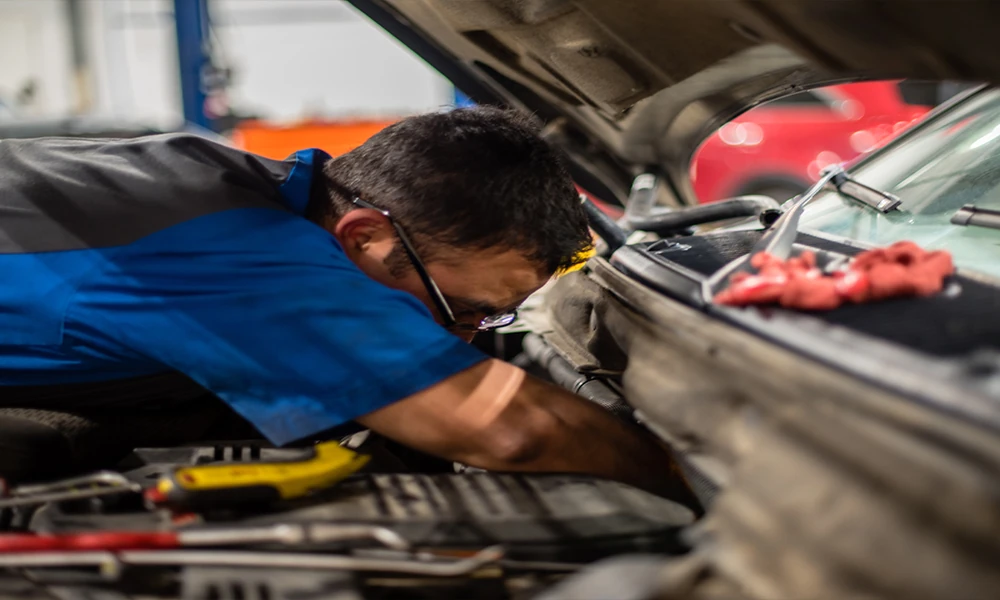
Modern vehicles require exceptional stopping power. Kinetic energy transforms into thermal energy during deceleration. This crucial process demands highly advanced materials. The mechanical engineering behind stopping a car involves intense friction. Drivers often take this safety feature for granted every day. However, stopping a heavy vehicle requires immense physics. Engineers constantly push the boundaries of modern thermal management. Specialized automotive technicians must understand these complex principles completely. Proper maintenance ensures that your vehicle remains safe on roads.
The Mechanics of Energy Transformation
Friction acts as the primary force during braking. Brake pads clamp tightly onto the spinning rotors. This forceful action creates intense friction immediately. As a result, the vehicle slows down rapidly. But this transformation generates a massive amount of heat. The kinetic energy changes into thermal energy instantly. So, the braking system must dissipate this heat safely. The kinetic energy formula dictates the necessary stopping force. Heavy vehicles require much more energy transformation during stops. Therefore, regular Brake Repair in North Royalton, OH helps maintain safe stopping performance and cooling efficiency. High temperatures can degrade the system performance very quickly.
Advanced Materials in High-Performance Systems
High-performance vehicles require superior component materials. Carbon-ceramic rotors offer exceptional thermal resistance under pressure. These advanced materials do not warp under extreme temperatures. Sometimes, standard cast iron rotors fail under intense heat. Ceramic composites maintain structural integrity much longer than metal. Now, manufacturers use carbon fiber formulations for racing applications. The advanced engineering team at Auto Service Specialists designs these resilient systems.
The Precision of Modern Repair Techniques
Restoring your braking system requires absolute mechanical precision. Technicians must measure rotor thickness with extreme accuracy. A microscopic variation can cause severe pedal pulsation later. Mechanics use high-tech digital calipers for these measurements. You must replace worn components with exact matching specifications. Proper calibration ensures that safety systems function correctly. The service team at Auto Service Specialists utilizes advanced diagnostic equipment. They inspect the hydraulic lines for tiny air bubbles. Air in the lines compresses easily and reduces pressure. So, bleeding the system removes this unwanted air completely. This vital service restores the firm pedal feel immediately.
Electronic Integration and Safety Systems
Modern stopping systems rely heavily on electronic sensors. The computer monitors wheel speed many times per second. This technology prevents wheel lockup during emergency stopping situations. So, the vehicle maintains traction on slick road surfaces. Electronic brakeforce distribution optimizes pressure for each individual wheel. The skilled specialists at Auto Service Specialists calibrate these sensitive sensors.
Conclusion
Modern deceleration relies on physics and material science. Every component must function flawlessly under extreme stress. High-performance upgrades provide shorter stopping distances for drivers. Professional technicians ensure these systems operate at peak efficiency. Regular maintenance protects the sophisticated parts from premature failure. Advanced materials continue to evolve for safer driving experiences. Ultimately, understanding the science improves vehicle safety and performance.
