

Every single turn of your steering wheel requires seamless coordination. Your suspension system actively keeps your tires firmly on the road surface. Within this complex framework, a small component handles immense structural pressure. The vehicle ball joint acts as a pivot between wheels and suspension. Over time, these critical connectors inevitably wear down from constant road friction. Addressing this hidden wear ensures your daily commute remains safe and smooth. Regular maintenance directly protects your vehicle from sudden and dangerous handling failures.
The Core Function of Suspension Links
Your car relies on smooth mechanical movements for balanced weight distribution. Front wheels must pivot vertically and horizontally at the same time. The ball joint connects the control arms directly to the steering knuckles. Therefore, it functions exactly like a human hip joint. This clever design allows your suspension to absorb deep potholes effortlessly. Auto Repair in Laurel, MD stands as a paramount factor during these dynamic road adjustments. The tiny part continuously bears the weight of your entire vehicle chassis. Without this flexible connection, your front suspension would remain completely rigid. Drivers would feel every single bump violently through the steering column.
How Worn Connectors Impact Highway Control
Driving with degraded parts directly damages your overall road stability. The front wheels gain unwanted physical play inside the suspension system. Now, the car responds sluggishly to quick steering inputs. You will notice a vague sensation during high speed highway cornering. The vehicle struggles to maintain a perfectly straight line on asphalt. This instability becomes highly dangerous during sudden emergency lane changes. Proper internal lubrication prevents this loose movement from developing too quickly. Fortunately, timely replacement restores that original factory handling precision instantly. Expert technicians at Thoroughbred Auto Care carefully measure this internal play to guarantee your safety.
The Technical Process of Components Renewal
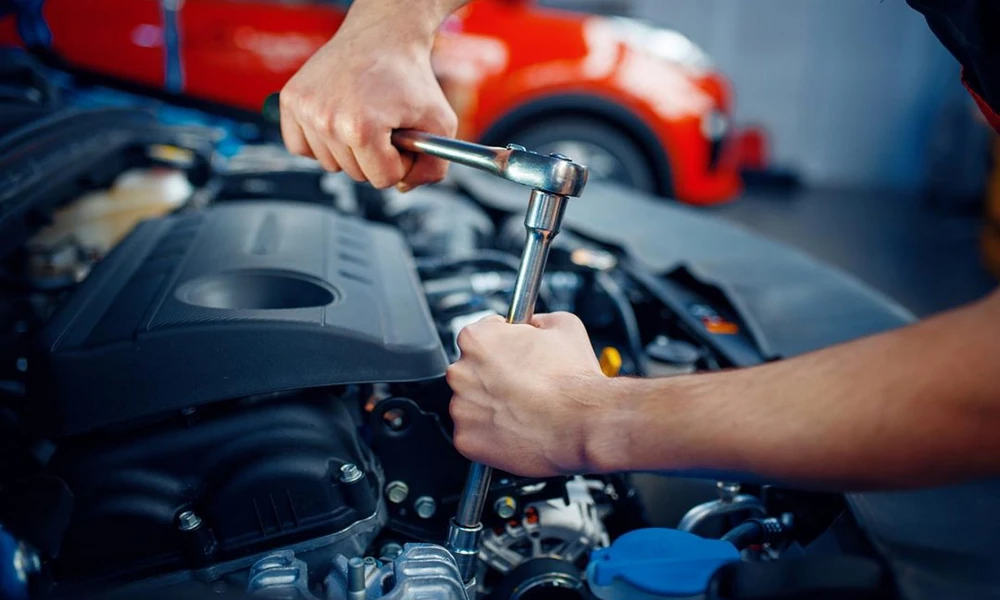
Replacing these crucial pivots requires specialized mechanical tools and patience. The technician safely raises the vehicle to access the lower chassis. Next, they carefully remove the front wheel and brake assembly. A heavy press pushes the stubborn old joint out of the arm. The mechanic cleans the metal receiving hole before inserting the new part. Afterward, they torque all hardware tightly to factory specifications.
FAQs
Why does my car make a clicking sound during tight turns?
Loose steering components often create clicking sounds during sharp cornering maneuvers.
How often should I inspect my front suspension parts?
You should request a professional suspension check during every routine oil change.
Can a broken joint cause my wheel to fall off?
Yes, total component separation allows the wheel to fold outward instantly.
Does parts replacement require a fresh wheel alignment?
Yes, you must align the wheels to prevent rapid tire wear.
How long do factory suspension joints typically last?
Most original components perform reliably for up to eighty thousand miles.
